
Snowboarding gear reviews are essential for anyone looking to hit the slopes with confidence and style. With the right equipment, you can enhance your performance and enjoyment while navigating snowy terrains. From snowboards to boots and bindings, understanding the latest innovations and gear specifications can make a significant difference in your riding experience.
This article delves into the key components of snowboarding gear, evaluates popular brands, and compares them with equipment from other winter sports, providing you with a comprehensive guide to making informed decisions on your next purchase.
Snowboarding Gear Essentials
Snowboarding gear is crucial for both performance and safety on the slopes. Understanding the essential components of your gear can enhance your riding experience, allowing you to ride with confidence and style. This section covers the key pieces of snowboarding equipment, the latest technology advancements, and the significance of proper boot and binding selection for various riding styles.
Key Components of Snowboarding Gear
The essential components of snowboarding gear include the snowboard, bindings, and boots. Each component plays a pivotal role in ensuring optimal performance and safety.
- Snowboard: The snowboard is the centerpiece of your gear. Available in various shapes, sizes, and flex ratings, the right board can greatly influence your handling and performance on the slopes. Snowboards are generally categorized into all-mountain, freestyle, and powder boards, each designed for specific riding styles.
- Bindings: Bindings connect your boots to the snowboard, providing control and stability. They come in different types, including strap-in and step-in, and can also be adjustable for a customized fit. Choosing the right bindings according to your riding preference, whether it be park, freestyle, or backcountry, is crucial for maximum performance.
- Boots: Snowboard boots provide the support and comfort necessary for a great riding experience. They come in soft, medium, and stiff flex ratings. Soft boots offer more mobility and are ideal for freestyle riding, while stiff boots provide better response and control for aggressive riding styles.
Latest Technologies in Snowboards
The snowboarding industry is continually evolving, with innovative technologies enhancing performance and rider experience. These advancements can significantly affect how a snowboard handles under various conditions.
- Camber and Rocker Profiles: Modern snowboards often utilize hybrid profiles that combine camber and rocker. These designs allow for better floatation in powder while maintaining edge hold on hard-packed snow.
- Materials and Construction: High-end snowboards often feature advanced materials like carbon fiber and Kevlar, which enhance strength without adding weight. This leads to improved responsiveness and durability.
- 3D Shaping: The integration of 3D shaping in snowboard construction allows for improved aerodynamics and performance. Boards that feature this technology can provide a more agile and playful ride.
Importance of Selecting the Right Snowboard Boots and Bindings
Selecting the appropriate boots and bindings is essential for comfort, performance, and safety. The connection between your body and the snowboard begins with these two components.
- Riding Style: Different riding styles demand specific boot and binding setups. For instance, freestyle riders may opt for softer boots with more flex for greater freedom and maneuverability, while all-mountain riders might prefer stiffer boots for better control.
- Fit and Comfort: A proper fit is vital. Boots should feel snug but not painfully tight, and the bindings should hold your boots securely without restricting movement. A well-fitted setup can prevent discomfort and enhance performance.
- Compatibility: Ensure that your boots and bindings are compatible with each other. Different brands may have varying sizes and mounting systems, so checking compatibility is crucial before making a purchase.
Reviews of Popular Snowboarding Gear Brands
The world of snowboarding gear is as diverse as the snow-covered mountains themselves. With numerous brands competing for attention, each offers unique features and innovations that cater to various styles and preferences. Understanding customer feedback and performance metrics can significantly aid in making informed choices about gear. This section explores some of the most popular snowboarding brands, evaluates specific models, and highlights trends in gear design.
Comparison of Leading Snowboarding Brands
When evaluating snowboarding gear, it’s essential to consider how different brands stack up against each other based on customer insights and performance characteristics. Here are some of the top brands, along with their strengths and weaknesses:
- Burton: As one of the most recognized names in snowboarding, Burton is celebrated for a wide range of gear, including boards, boots, and bindings. Customer feedback often highlights their durability and performance in various conditions. However, some users find them slightly on the pricier side.
- Lib Tech: Known for innovative technology and eco-friendly materials, Lib Tech boards are praised for their unique designs and versatility. Their boards often feature Magne-Traction technology for enhanced edge control, which is a favorite among freestyle riders. Some users, however, mention that the flex can be stiffer than expected for beginner boards.
- Salomon: With a focus on performance and comfort, Salomon offers an excellent range of products for all skill levels. Many riders appreciate the comfort of their boots and the responsiveness of their boards. Nevertheless, there are occasional complaints about sizing inconsistencies.
- Ride: Ride is known for its commitment to providing riders with high-quality gear at competitive prices. Their boards are often recommended for their balance of flexibility and stability. A common critique, however, is that their aesthetic options may not appeal to everyone.
- K2: K2’s reputation for reliability and innovation shines through in their wide range of snowboarding products. Their gear is often noted for being beginner-friendly while still catering to more advanced riders. Some feedback suggests that their boards may lack the edge hold of competitors at higher speeds.
Detailed Reviews of Specific Models
Examining specific models from various brands helps to clarify what makes each stand out or fall short. Below are a few notable examples supported by customer reviews.
- Burton Custom: This all-mountain board is often lauded for its versatility. Riders appreciate its ability to perform well in various conditions, from powder to park.
Pros: Great stability, responsive feel; Cons: Higher price point.
- Lib Tech Skate Banana: A favorite for park riders, the Skate Banana is known for its playful flex. Reviewers frequently mention its ease of use, especially for beginners.
Pros: Fun ride, great for tricks; Cons: Less stability at high speeds.
- Salomon Dialogue Boots: These boots are often praised for their comfort and fit, making them ideal for long days on the mountain. However, some users have noted issues with durability over time.
Pros: Comfortable all-day wear; Cons: Durability concerns.
- Ride Warpig: The Warpig is recognized for its unique shape that provides versatility across the mountain. Riders love its ability to float in powder while still being nimble.
Pros: Great floatation, easy to turn; Cons: Can feel bulky for some.
- K2 Raygun: This entry-level board is designed to help new riders progress at a steady pace. Its forgiving flex is frequently highlighted in reviews. However, advanced riders might find it limiting.
Pros: User-friendly, smooth ride; Cons: Less suitable for advanced techniques.
Trends in Snowboarding Gear Design
The snowboarding industry consistently evolves, driven by advancements in technology and user feedback. Recently, brands have increasingly focused on sustainability, integrating eco-friendly materials into their products. The use of recycled plastics and sustainable wood sources is becoming more commonplace.Additionally, innovations such as improved boot fit systems and adjustable bindings cater to a wider range of riders. Brands are also exploring ways to enhance board performance through the use of new materials, such as carbon fiber, which provides strength without added weight.
Overall, staying informed about these trends can help consumers make better choices and understand the long-term value of their gear investments.
Related Sports and Their Gear Comparisons
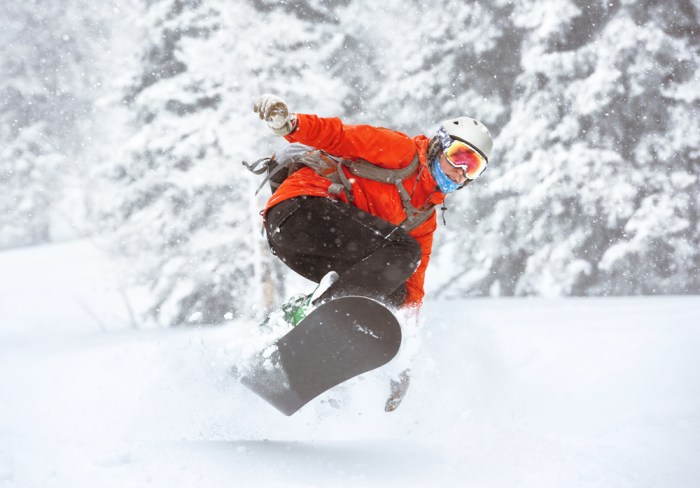
In the world of winter sports, snowboarding stands out with its unique gear requirements, but it’s essential to understand how this gear compares with other sports. This exploration highlights the similarities and differences in gear between snowboarding and other winter sports, as well as insights from martial arts protective equipment and comparisons with gear used in water sports.
Similarities and Differences in Gear Requirements
Snowboarding gear shares some commonalities with other winter sports like skiing and snowshoeing, yet it also has distinct differences. The primary components of snowboarding gear include a snowboard, bindings, boots, and protective gear, while skiing requires skis, poles, and specific ski boots.
- Footwear: Snowboarding boots are softer and designed for flexibility, providing better maneuverability, whereas ski boots are rigid and designed to lock the foot in for control.
- Boarding vs. Gliding: Snowboards are wider and have a flat base for stability, while skis are narrower and designed for gliding on two edges, allowing for different techniques in steering and stopping.
- Protective Gear: Both sports utilize helmets and pads, but snowboarders often opt for wrist guards due to frequent falls during tricks and terrain navigation.
Insights from Martial Arts Gear
The protective gear used in martial arts offers valuable insights into the safety equipment required in snowboarding. Just as martial artists wear padded gear to minimize injury during sparring, snowboarders benefit from protective layers that safeguard against falls and collisions.
- Helmets: Essential in both sports, martial arts helmets protect against head injuries, mirroring the importance of helmets in snowboarding for impact absorption.
- Padding: Arm and knee pads in martial arts help prevent injuries; similarly, snowboarders often wear padded shorts and jackets to protect against bruises and scrapes from falls.
- Footwear: While martial arts shoes provide grip and support, snowboarding boots offer warmth and flexibility, essential for navigating varying snow conditions.
Comparing Snowboarding Gear to Water Sports Equipment
The transition from water to snow sports reveals striking similarities and differences in gear materials and performance in extreme conditions. Both types of gear are designed to withstand harsh environments, but they utilize different materials based on their unique requirements.
- Material Composition: Snowboarding gear often incorporates waterproof and breathable fabrics like Gore-Tex, which contrasts with water sports gear that typically uses neoprene for insulation and flexibility in water.
- Performance in Elements: Snow gear is designed to repel snow and moisture while keeping the wearer warm, while water sports gear focuses on thermal insulation and buoyancy.
- Durability: Both types of gear must endure rough conditions; however, snowboarding gear is often reinforced for abrasion resistance on rails and rocks, while water gear is built to withstand prolonged exposure to water and marine life.
“Both snowboarding and water sports gear are engineered for performance but are tailored to their respective environments, showcasing the importance of material science in sports equipment.”
Wrap-Up
In summary, selecting the right snowboarding gear is crucial for maximizing your performance and safety on the slopes. By understanding the latest trends, technologies, and brand comparisons, you can equip yourself with the best tools to enhance your snowboarding adventures. Whether you are a seasoned rider or a beginner, being well-informed will ensure you choose the right equipment to suit your style and needs.
FAQ Section
What should I look for when buying a snowboard?
Look for the snowboard’s size, shape, flex, and the type of riding you plan to do, ensuring it fits your skill level and style.
How often should I replace my snowboarding gear?
It varies, but generally, you should consider replacing gear every few years or if it shows significant wear and tear that affects performance.
Are more expensive snowboards always better?
Not necessarily; the best snowboard for you depends on your specific needs and riding style, not just the price.
Can I use snowboard boots for other winter sports?
While snowboard boots are designed for snowboarding, they might not offer the best support or fit for other winter activities like skiing or snowshoeing.
What are some common mistakes to avoid when buying snowboarding gear?
Avoid choosing gear based solely on brand reputation or style; focus on fit, comfort, and suitability for your riding style instead.


