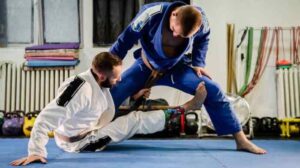
Delving into Martial arts for beginners, this introduction immerses readers in a unique and compelling narrative. Martial arts represents a diverse spectrum of disciplines that not only enhance physical abilities but also foster mental resilience and focus. As you embark on this journey, you’ll discover an array of styles, each offering distinct benefits and challenges, inviting you to find the one that resonates with your personal aspirations.
Whether you’re seeking to improve your fitness, learn self-defense, or simply explore a new hobby, martial arts can be a transformative experience. In this guide, we’ll break down the essentials you need to know as a newcomer, from selecting the right style to mastering basic techniques and ensuring your safety on this exciting path.
Introduction to Martial Arts for Beginners
Martial arts encompass a diverse range of combat practices and philosophies that have developed over centuries across various cultures. These disciplines include striking arts like karate and boxing, grappling arts like jiu-jitsu and judo, as well as weapon-based arts like kendo and Filipino martial arts. Each style offers unique techniques and philosophies, catering to different interests and fitness goals.The benefits of practicing martial arts extend far beyond physical fitness.
Regular training can improve cardiovascular health, enhance flexibility, and build strength. Additionally, martial arts promote mental well-being, providing stress relief, improving focus, and cultivating discipline. Engaging in these practices fosters a sense of community and can significantly boost self-confidence.
Choosing the Right Martial Art
Selecting the right martial art involves understanding your personal interests, physical capabilities, and goals. Here are key points to consider when making this choice:
- Personal Interest: Identify which styles resonate with you. If you prefer striking, consider boxing or kickboxing. For those who enjoy grappling, Brazilian jiu-jitsu or judo might be more appealing.
- Physical Condition: Evaluate your current fitness level and any physical limitations. Some styles may be more intensive, while others like tai chi focus on gentle movements and mindfulness.
- Goals: Determine your objectives. Whether aiming for self-defense, competition, fitness, or personal growth, aligning your goals with the right martial art is crucial.
- Available Instruction: Research local schools and instructors to find a community that fits your learning style. Consider attending a few trial classes to gauge the environment and teaching methods.
“Choosing the right martial art is not just about the techniques; it’s a journey towards self-discovery and personal growth.”
By reflecting on these aspects, beginners can make informed decisions that align with their passions and aspirations in martial arts. Whether you seek physical prowess, mental clarity, or a sense of community, there is a martial art that awaits to be explored.
Basic Techniques and Training Methods
Martial arts offer a unique blend of discipline, physical fitness, and self-defense skills. For beginners, mastering basic techniques is essential to building a solid foundation. This section covers the fundamental techniques every beginner should learn across various martial arts disciplines, step-by-step warm-up routines, and effective drills to enhance balance, coordination, and strength.
Essential Techniques for Beginners
Learning essential techniques is crucial for any martial arts practitioner. Here are some of the foundational techniques beginners should focus on:
- Stances: Understanding basic stances such as horse stance, front stance, and back stance is vital. These stances provide balance and support during movements.
- Punches: Basic punches like the jab, cross, and hook form the core of striking techniques. Practicing the correct form ensures effectiveness and reduces the risk of injury.
- Kicks: Learning fundamental kicks such as front kick, roundhouse kick, and sidekick contributes to a well-rounded skill set. Proper technique is essential for accuracy and power.
- Blocks: Familiarizing oneself with basic blocking techniques protects against incoming strikes, creating a defensive foundation.
- Falls and Rolls: Techniques like break falls and forward rolls help beginners learn how to fall safely, reducing injury risk during training and sparring.
Warm-Up and Stretching Routine
A proper warm-up routine prepares the body for physical activity and helps prevent injuries. Here’s a simple step-by-step guide for a basic warm-up and stretching routine:
- Light Jogging: Start with 5-10 minutes of light jogging to increase heart rate and warm up muscles.
- Dynamic Stretching: Perform dynamic stretches such as arm circles, leg swings, and torso twists for 5-10 minutes to enhance flexibility.
- Static Stretching: Conclude with static stretches targeting major muscle groups, holding each stretch for 15-30 seconds to improve overall flexibility.
Recommended Drills for Fundamental Skills
Improving fundamental skills through targeted drills is essential for martial arts training. The following drills focus on balance, coordination, and strength:
- Balance Drills:
- Single-leg stands: Hold a single-leg stance for 30 seconds to develop balance.
- Balance beam walk: Practice walking heel-to-toe along a straight line or beam.
- Coordination Drills:
- Shadowboxing: Practice techniques in front of a mirror to improve form and coordination.
- Agility ladder drills: Use an agility ladder to enhance footwork and coordination.
- Strength Drills:
- Bodyweight exercises: Incorporate push-ups, squats, and lunges to build strength.
- Resistance training: Use resistance bands or weights to strengthen specific muscle groups.
“The journey of a thousand miles begins with a single step.” – Lao Tzu. Embracing each step in your martial arts journey is essential for growth.
Safety Precautions and Legal Considerations
![[EXPLAINED] 7 Best Martial Arts For Beginners](https://madeac.info/wp-content/uploads/2025/07/boxing-for-beginners.jpg "[EXPLAINED] 7 Best Martial Arts For Beginners")
Understanding safety precautions and legal considerations is crucial for anyone venturing into martial arts. These elements not only enhance the training experience but also protect practitioners from injuries and legal repercussions. By being informed about common injuries, preventive measures, and the ethical framework of martial arts, beginners can create a safe and respectful training environment.
Common Injuries and Prevention Strategies
Injuries in martial arts can occur due to a variety of reasons, including improper technique, inadequate warm-up, or lack of protective gear. Recognizing these injuries and employing strategies to prevent them is essential for a sustainable practice. Common injuries include:
- Sprains and Strains: These often affect the wrists, knees, or ankles during high-impact movements. Proper warm-up exercises and conditioning can mitigate risks.
- Contusions: Bruises from strikes or falls are common, particularly in sparring. Wearing appropriate protective gear, like shin guards and headgear, significantly reduces impact.
- Fractures: Bone fractures can occur from falls or miscalculations during techniques. Beginners should focus on developing their skills gradually and avoid overly aggressive sparring.
- Overuse Injuries: Repetitive motions can lead to injuries like tendonitis. Regular rest days and cross-training can help alleviate this issue.
Incorporating a proper warm-up routine, understanding body mechanics, and wearing suitable protective equipment are key to injury prevention.
Legal Issues in Martial Arts Training and Competitions
Engaging in martial arts comes with certain legal responsibilities that practitioners should be aware of. Legal issues can arise in both training environments and competitive settings, making it important to understand your rights and obligations.Important legal considerations include:
- Liability Waivers: Most martial arts schools require students to sign liability waivers, which protect instructors and the gym from lawsuits due to injury. It’s crucial to read and understand these documents.
- Insurance: Having personal insurance can be beneficial. Some competitions may require proof of insurance to prevent financial losses due to injuries.
- Age Restrictions: Different tournaments and classes have age restrictions to ensure safety and fairness. Familiarize yourself with these guidelines to avoid complications.
- Local Laws: Be aware of the local laws governing martial arts practice, including regulations about sparring and protective gear.
Adhering to these guidelines helps ensure a safe and legally compliant martial arts experience.
Ethical Practices in Martial Arts
The practice of martial arts involves not only physical skills but also ethical principles that govern interactions between practitioners. Respect for opponents, instructors, and the art itself is fundamental to cultivating a positive training atmosphere.Key ethical practices include:
- Respect for Opponents: Treating opponents with respect fosters a healthy competitive spirit. This includes acknowledging their skills and refraining from unsportsmanlike conduct.
- Humility: Regardless of skill level, humility is important. Practitioners should recognize that there is always more to learn and that every opponent can teach valuable lessons.
- Discipline: Adhering to training schedules, maintaining focus during practice, and following the instructor’s guidance reflect commitment and discipline.
- Community Support: Supporting fellow practitioners, whether through encouragement or assistance, strengthens the martial arts community and enhances the overall experience.
By embracing these ethical practices, individuals can contribute to a respectful environment that benefits everyone involved in martial arts training.
End of Discussion
As we wrap up our exploration of Martial arts for beginners, it’s clear that this practice can lead to profound personal growth and empowerment. By understanding the various styles, honing essential techniques, and prioritizing safety, you are well on your way to becoming a confident practitioner. Embrace the journey, stay committed, and enjoy the myriad of benefits that martial arts has to offer!
Q&A
What age is appropriate to start martial arts?
Many martial arts schools accept students as young as four or five, but it’s best to choose a program that suits the child’s maturity and physical abilities.
Do I need to be fit to start martial arts?
No, martial arts is designed for all fitness levels, and training will help improve your physical condition over time.
How often should I train?
Most beginners benefit from training two to three times a week to build skills and improve fitness without overwhelming themselves.
Are there competitions for beginners?
Yes, many martial arts offer competitions for beginners, providing a great way to test your skills and gain experience.
What should I wear for my first class?
Generally, comfortable athletic wear is sufficient for beginners, but check with your school for specific uniform requirements.