
Avalanche safety equipment is crucial for anyone who enjoys outdoor activities in snow-covered terrains. With the thrill of winter sports comes the inherent risk of avalanches, making it essential to be prepared. This gear not only enhances safety but also empowers enthusiasts to enjoy the mountains with confidence, knowing they have the right tools for any situation.
This overview of avalanche safety equipment will explore the various types available, the importance of each item like beacons and airbags, and the vital role they play in rescue scenarios. Understanding these tools can be the difference between life and death in the backcountry.
Avalanche Safety Equipment Overview
Avalanche safety equipment is essential for outdoor enthusiasts venturing into snowy terrains, where the risk of avalanches is present. With the right gear, individuals can significantly increase their chances of survival and assist in rescue efforts. This overview will explore the various types of equipment designed to enhance safety in avalanche-prone areas.Avalanche beacons, shovels, probes, and airbags are the primary tools that can make a difference in emergency situations.
Their unique functionalities contribute to both prevention and rescue operations. Understanding each piece of equipment and its role is vital for anyone engaging in winter sports or off-piste activities.
Avalanche Beacons
Avalanche beacons are vital devices worn by backcountry travelers that send and receive signals to locate buried individuals after an avalanche. These devices operate on a frequency of 457 kHz, which is the international standard for avalanche rescue. When activated, a beacon transmits a signal that can be detected by other beacons in search mode, allowing rescuers to pinpoint the location of a victim.
Importance of Timeliness
The first 15 minutes after an avalanche are critical for survival.
Signal Detection
Beacons can detect signals from up to 100 meters away, depending on terrain and conditions.
Training and Practice
Regular practice using beacons is essential to ensure effective rescue operations.
Avalanche Shovels
Shovels are indispensable tools for digging out buried victims and clearing debris. They come in various shapes and sizes, with lightweight models designed for easy transport in the backcountry. The efficiency of a shovel can greatly affect the speed of a rescue.
Material and Design
Shovels are typically made of aluminum or composite materials for durability and weight reduction.
Blade Shape
A wider blade can help move snow quickly but may weigh more, while a narrower blade may be lighter but less efficient in large snow masses.
Collapsible Features
Many shovels are designed to collapse for compact storage, making them convenient for backcountry users.
Avalanche Probes
Probes are long, collapsible poles used to pinpoint the exact location of a buried victim. They are essential in confirming the depth of a victim and can quickly provide vital information during a rescue.
Length and Material
Probes typically range from 240cm to 320cm in length and are made from lightweight materials such as aluminum or carbon fiber.
Usage Technique
A probe is thrust into the snow in a grid pattern to locate a victim, with careful attention paid to the instrument’s sensitivity.
Importance in Rescue
Probes can identify the location and depth of a victim, helping rescuers determine the best approach for excavation.
Avalanche Airbags
Avalanche airbags are innovative devices that inflate during an avalanche to help keep the user on the surface of the snow, significantly reducing the risk of burial and trauma. These airbags operate on a simple principle: by increasing the volume of the user, they help counteract the force of the avalanche.
Inflation Mechanism
Most airbag systems use a compressed gas canister for rapid inflation, typically within seconds.
Effectiveness
Studies have shown that users of avalanche airbags have a higher survival rate, with some estimates suggesting an over 50% increase in the chances of surviving an avalanche without serious injury.
Deployment Training
Familiarity with the equipment and practicing deployment techniques are crucial for effectiveness in real-life scenarios.
“Avalanche safety equipment is not just gear; it’s a lifeline for those who venture into the backcountry.”
Laws and Regulations Surrounding Avalanche Safety
Avalanche safety is governed by a set of laws and regulations designed to protect outdoor enthusiasts and promote responsible use of avalanche safety equipment. These regulations can vary significantly from region to region, reflecting local conditions and risks. Understanding these laws is essential for both individuals engaging in winter sports and professionals guiding others in avalanche-prone areas.
Key Laws and Regulations Related to Avalanche Safety Equipment
In many countries, specific laws dictate the requirements for avalanche safety equipment. For instance, in the United States, certain states have established regulations that mandate the use of avalanche beacons, probes, and shovels when traveling in designated backcountry areas. Similarly, in Canada, provinces like British Columbia enforce regulations that require backcountry users to carry safety gear and sometimes even undergo avalanche safety training.
- In the European Alps, countries such as Switzerland and Austria have laws that require skiers and snowboarders to carry avalanche safety gear in high-risk zones.
- Italy has introduced mandatory avalanche awareness courses for tourists venturing into backcountry areas, ensuring that they understand how to use safety equipment correctly.
Responsibilities of Outdoor Guides in Ensuring Client Safety
Outdoor guides play a crucial role in avalanche safety, not only for their own protection but also for the safety of their clients. They are responsible for ensuring that each participant is equipped with the necessary safety gear and has received proper instruction on its usage. A guide’s responsibilities include:
- Conducting pre-trip briefings to ensure clients understand the risks involved and the equipment needed.
- Performing equipment checks before heading out to confirm that all clients have functioning gear.
- Providing training on how to use avalanche safety equipment, such as beacons, shovels, and probes, emphasizing practical skills and knowledge.
Liability Issues Related to Avalanche Safety Equipment
Liability in avalanche-related incidents can be complex, often involving multiple factors such as equipment failure, user error, and environmental conditions. Outdoor guides and companies may face legal consequences if clients are injured or killed due to inadequate safety measures. Key considerations regarding liability include:
- Guides and outdoor companies must ensure compliance with local laws regarding safety equipment to minimize liability.
- Client waiver forms may be used to inform participants of potential risks, although these do not eliminate liability completely.
- In cases of equipment malfunction, manufacturers may also bear responsibility, highlighting the importance of quality and maintenance of safety gear.
“The responsibility for safety in avalanche conditions lies not only with the individual but also with guides and organizations that facilitate outdoor adventures.”
Winter Sports and Avalanche Safety
Engaging in winter sports can be exhilarating, but it also comes with inherent risks, especially when venturing into avalanche-prone areas. Understanding avalanche safety is essential for anyone partaking in these activities, as knowledge can be the difference between a thrilling adventure and a life-threatening situation. This section will explore popular winter sports that necessitate avalanche safety awareness, best practices for using safety equipment, and a comparison of safety equipment needs across different activities.
Popular Winter Sports Requiring Avalanche Safety Knowledge
Many winter sports enthusiasts find themselves in backcountry terrain where avalanche risks are prevalent. Gaining a solid understanding of how to navigate these risks is crucial. Here are some popular winter sports that demand knowledge of avalanche safety:
- Skiing (especially backcountry and off-piste skiing)
- Snowboarding (particularly in backcountry areas)
- Snowshoeing in mountainous regions
- Freeride skiing and snowboarding
- Alpine touring
Each of these sports can lead participants into areas where they may encounter avalanches, making avalanche education and safety equipment essential.
Best Practices for Using Avalanche Safety Equipment
Proper use of avalanche safety equipment is critical for maximizing safety during winter sports. Here are some best practices to consider while skiing or snowboarding:
- Always wear a beacon: Ensure your avalanche transceiver is properly strapped and turned on before heading into the backcountry. Regularly check the battery life.
- Practice with your equipment: Familiarize yourself with using your beacon, shovel, and probe in a controlled environment before going out.
- Perform regular safety checks: Before each trip, inspect your gear for functionality and ensure everything is in working order.
- Communicate with your group: Establish clear protocols for how your group will react in case of an avalanche, including designated roles for each member.
- Stay updated on avalanche forecasts: Check local avalanche reports and conditions before you head out, as these can change rapidly.
Following these practices can significantly enhance safety and preparedness when engaging in winter sports in avalanche-prone areas.
Comparison of Safety Equipment Needs Across Winter Sports
Different winter sports have varying equipment requirements when it comes to avalanche safety. Understanding these distinctions can help participants choose the right gear based on their activity.
| Winter Sport | Avalanche Safety Equipment | Notes |
|---|---|---|
| Backcountry Skiing | Avalanche transceiver, shovel, probe, and backpack | Essential gear to ensure safe navigation through potentially dangerous terrains. |
| Snowboarding | Avalanche transceiver, shovel, probe | Similar needs to skiing; backcountry snowboarders should also carry a backpack. |
| Snowshoeing | Avalanche transceiver, shovel (optional), probe (optional) | While less common, snowshoers in avalanche-prone areas should still be equipped. |
| Freeride Skiing | Avalanche transceiver, shovel, probe, and helmet | High-risk sport that often involves deep snow and steep descents. |
| Alpine Touring | Avalanche transceiver, shovel, probe, and touring skis | Requires specialized equipment for ascent and descent. |
Understanding these distinctions ensures that winter sports enthusiasts are well-equipped to handle the challenges of avalanche safety effectively.
Summary
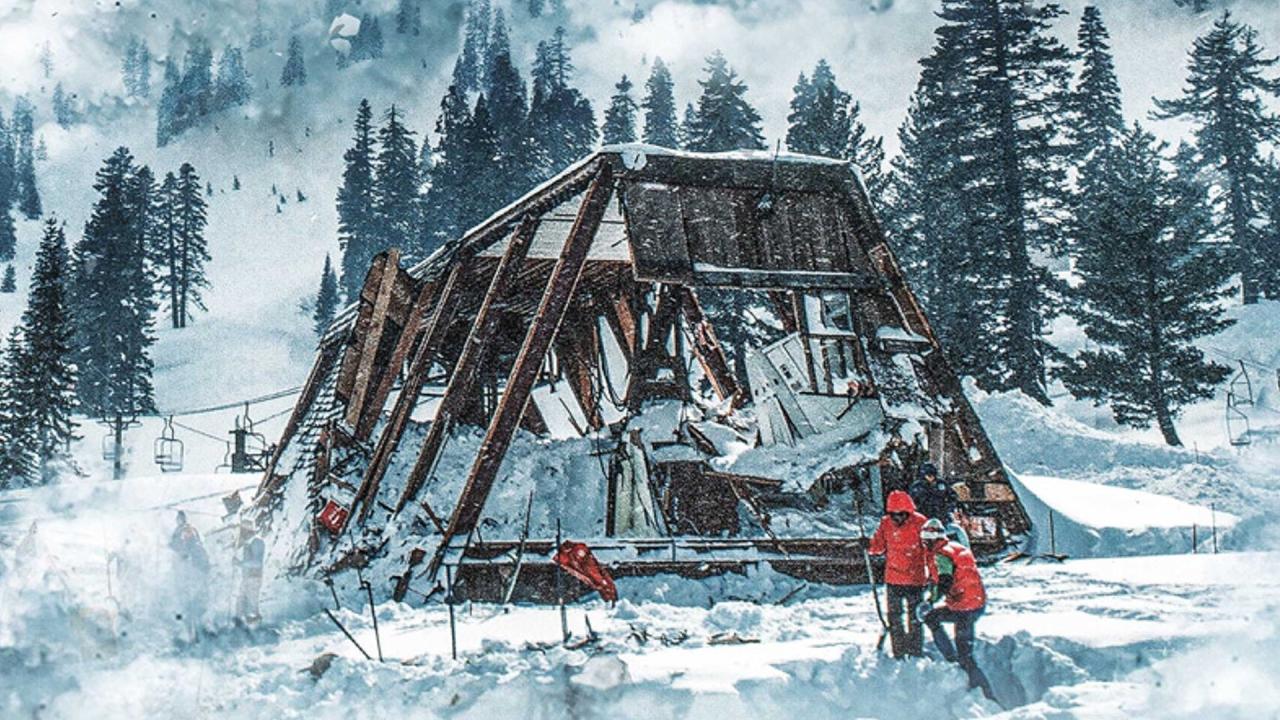
In summary, being equipped with the right avalanche safety equipment is not just a precaution; it’s a responsibility every outdoor enthusiast must take seriously. Awareness of laws, best practices, and the equipment’s functionality can significantly enhance safety during winter sports. Ultimately, staying informed and prepared ensures that all adventurers can enjoy the mountains while minimizing risks.
Question Bank
What is the purpose of an avalanche beacon?
An avalanche beacon is designed to help rescuers locate buried individuals during an avalanche, ensuring timely recovery.
How effective are avalanche airbags?
Avalanche airbags can significantly reduce the risk of burial by keeping the user on the surface during an avalanche.
Do I need to know how to use the gear before going into the backcountry?
Yes, it’s essential to be trained in the use of avalanche safety equipment to ensure effective use in emergencies.
Are there age restrictions for using avalanche safety equipment?
While there are no strict age restrictions, it is important that younger users are supervised and trained adequately.
Can I rent avalanche safety equipment?
Yes, many outdoor shops offer rental options for avalanche safety gear, but ensure you receive proper instructions before heading out.


