
Indoor vs outdoor team sports present a fascinating comparison that highlights the different experiences athletes can have in both environments. Whether you’re tossing a basketball in a gym or kicking a soccer ball on a sunny field, each setting offers its own unique advantages and challenges. Understanding these differences can help players choose the right sport that suits their preferences and lifestyle.
This exploration delves into the benefits of indoor sports, such as weather protection and controlled environments, alongside the invigorating aspects of outdoor sports, including natural scenery and social interaction. By examining facilities, social dynamics, and the diversity of sports available in both categories, we can gain a comprehensive view of how these environments shape athletic participation.
Indoor Sports Benefits
Indoor team sports offer a unique set of advantages that distinguish them from outdoor activities. With controlled environments, these sports provide a consistent venue for athletes, minimizing disruptions caused by external factors. Participants can enjoy their games year-round, regardless of seasonal changes or adverse weather conditions, which enhances overall participation and engagement.Weather conditions can significantly impact the participation rates in sports.
Indoor sports eliminate concerns such as rain, snow, or extreme temperatures, allowing teams to practice and compete consistently. This reliability fosters better team cohesion and skill development since players can train without interruptions. Moreover, indoor facilities are often equipped with climate control systems, ensuring a comfortable atmosphere for athletes and spectators alike.
Common Facilities and Equipment in Indoor Sports
The infrastructure for indoor sports is specifically designed to accommodate various activities, featuring specialized facilities and essential equipment. Understanding these components can enhance appreciation for the indoor sports environment.Indoor sports facilities typically include:
- Basketball Courts: Often equipped with adjustable hoops and high-quality flooring to support fast-paced games.
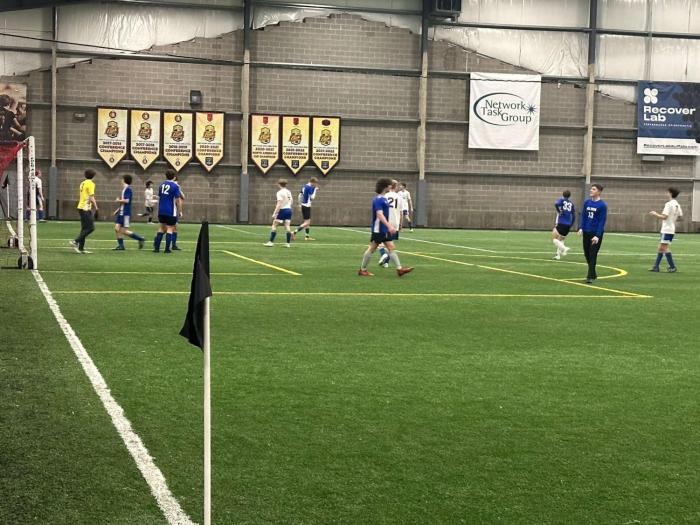
- Indoor Soccer Fields: Smaller than outdoor fields, these often feature artificial turf to facilitate quick play and agility.
- Gymnasiums: Multi-purpose spaces that can host basketball, volleyball, and other sports with appropriate flooring and seating.
- Swimming Pools: Indoor pools provide a controlled environment for competitive swimming and water polo.
Essential equipment used in these facilities enhances the quality of play and safety. Common examples include:
- Protective Gear: This includes helmets, pads, and face guards, especially for contact sports like hockey and lacrosse.
- Sport-Specific Balls: Such as basketballs, volleyballs, or futsal balls, designed for optimal performance in indoor settings.
- Fitness Equipment: Weights and resistance machines that aid in training and conditioning for athletes.
Indoor sports not only promote physical fitness but also encourage social interaction and teamwork among participants. The combination of reliable venues, protective equipment, and diverse facilities creates an enriching environment that fosters athletic growth and enjoyment.
Outdoor Sports Advantages
Engaging in outdoor team sports offers a multitude of benefits that extend beyond just physical health. The natural environment encourages a level of activity that indoor sports may struggle to replicate, not only invigorating the body but also refreshing the mind. Playing outdoors can significantly enhance one’s mental well-being, thanks to the combination of fresh air, sunlight, and the invigorating experience of being surrounded by nature.The effects of outdoor sports on mental health are profound.
Studies have shown that physical activity in natural settings can reduce symptoms of anxiety and depression while boosting mood and self-esteem. The opportunity to participate in team sports outdoors fosters a sense of community and belonging, which is essential for emotional health. Players often experience heightened motivation and reduced stress levels, as the outdoor setting provides a break from the hustle and bustle of daily life.
Social Aspects of Outdoor Sports
The social dynamics of playing outdoor team sports can be markedly different from those in indoor environments. Outdoor sports create a unique atmosphere that facilitates interaction and bonding among teammates. The shared experience of playing in nature, often in larger groups, helps to build strong relationships and a sense of camaraderie. Participating in outdoor sports allows for:
-
Enhanced teamwork skills:
Players must work together to navigate varying terrains and weather conditions, reinforcing teamwork and collaboration.
-
A more relaxed atmosphere:
Outdoor settings often reduce pressure, allowing players to interact more naturally and enjoy the game.
-
Broader community involvement:
Outdoor sports often attract local spectators and families, creating a vibrant community atmosphere that enhances social engagement.
These aspects contrast with indoor sports, where the environment may be more confined and structured, potentially limiting social interactions.
Types of Outdoor Environments for Team Sports
Outdoor team sports can be enjoyed in a variety of natural settings, each offering unique experiences and challenges. The environment plays a crucial role in shaping the nature of the sport and the experience for the players. Common outdoor environments include:
-
Fields:
Open grassy areas are perfect for sports like soccer and rugby, providing ample space for movement and strategies.
-
Beaches:
The sand offers a unique surface for beach volleyball and soccer, with natural beauty and the sound of waves enhancing the experience.
-
Courts:
Outdoor basketball and tennis courts allow for competitive play in a fresh air setting, often surrounded by parks.
-
Parks:
These versatile spaces often feature multiple sports facilities and are designed for a variety of activities, from ultimate frisbee to flag football.
Each environment not only serves as a backdrop for physical activity but also enriches the social experience, making outdoor sports a vibrant part of community life.
Diverse Categories of Sports
In the world of athletics, team sports play a crucial role in fostering social interaction, community engagement, and physical fitness. This section dives into the various categories of team sports, showcasing the distinction between indoor and outdoor activities while highlighting the multifaceted nature of martial arts and strength sports.
Categories of Team Sports
Team sports can be broadly categorized into indoor and outdoor sports, each offering unique benefits and experiences. The following lists provide a comprehensive overview of popular team sports in each category, reflecting the diversity present in the athletic landscape.
- Indoor Sports:
- Basketball
- Volleyball
- Handball
- Ice Hockey
- Futsal
- Indoor Soccer
- Badminton
- Table Tennis
- Gymnastics (team events)
- Outdoor Sports:
- Football (Soccer)
- Rugby
- Cricket
- Baseball
- Field Hockey
- Ultimate Frisbee
- Softball
- Track and Field (relay events)
Martial Arts and Strength Sports
Martial arts and strength sports often blur the lines between individual and team-oriented activities. While traditionally viewed as individual pursuits, many martial arts disciplines incorporate team elements through training, competitions, and support networks. For example, judo and taekwondo competitions may involve team events where participants contribute to a collective score. Similarly, strength sports such as powerlifting and Olympic weightlifting can be practiced in teams, as athletes often train together, share techniques, and encourage one another during competitions.
This collaborative aspect enhances camaraderie and builds a sense of community among participants.
Popularity and Growth of Diverse Sports
The popularity and growth of various sports categories continue to evolve, reflecting shifts in public interest and participation rates. Motorsports, water sports, winter sports, and sport cycling are experiencing notable expansions in viewership and participation.
Motorsports
The rise of Formula 1 and NASCAR has propelled motorsports into the mainstream, attracting millions of viewers globally. Events like the Monaco Grand Prix showcase cutting-edge technology and speed, fostering a loyal fanbase.
Water Sports
Activities such as surfing, kayaking, and sailing have surged in popularity, driven by a growing awareness of environmental issues and outdoor lifestyles. The emergence of competitive surfing in the Olympics further boosts interest in these sports.
Winter Sports
Sports like skiing, snowboarding, and ice hockey are gaining traction, especially with the increasing accessibility of winter sports facilities. The Winter Olympics acts as a catalyst for interest, inspiring new generations of athletes.
Sport Cycling
Cycling has seen a revival, with events like the Tour de France and the increasing popularity of mountain biking and BMX. The push for sustainable transportation and fitness has contributed to the growth of cycling communities worldwide.Overall, these diverse categories of sports not only cater to different interests and environments but also play a significant role in shaping athletic culture and community interactions.
Closing Summary
In conclusion, both indoor and outdoor team sports provide invaluable opportunities for physical activity, socialization, and personal growth. While indoor sports offer convenience and consistency, outdoor sports bring the joy of nature and community engagement. Ultimately, selecting between the two may come down to personal preference, lifestyle, and the unique experiences one seeks in their sporting journey.
Expert Answers
What are the main advantages of indoor sports?
Indoor sports provide protection from weather conditions, consistent playing conditions, and often better access to facilities and equipment.
How do outdoor sports benefit mental health?
Outdoor sports can enhance mental health by reducing stress, improving mood through exposure to nature, and fostering social connections.
Can martial arts be classified as team sports?
While martial arts are often viewed as individual sports, they can also involve team elements, especially in training and competitive settings.
What types of environments are best for outdoor sports?
Outdoor sports are typically played in various environments such as parks, fields, beaches, and courts, all providing different atmospheres and experiences.
Are indoor sports growing in popularity?
Yes, indoor sports are increasingly popular due to their convenience and the rise of organized leagues and facilities catering to various sports.


